
Licensed provider
Confirm the school or institution in the Malta Further and Higher Education Authority database.
A credible Malta plan begins with a licensed provider and an accredited programme. Compare the qualification level, course intensity, visa or residence route and realistic living budget as one decision.
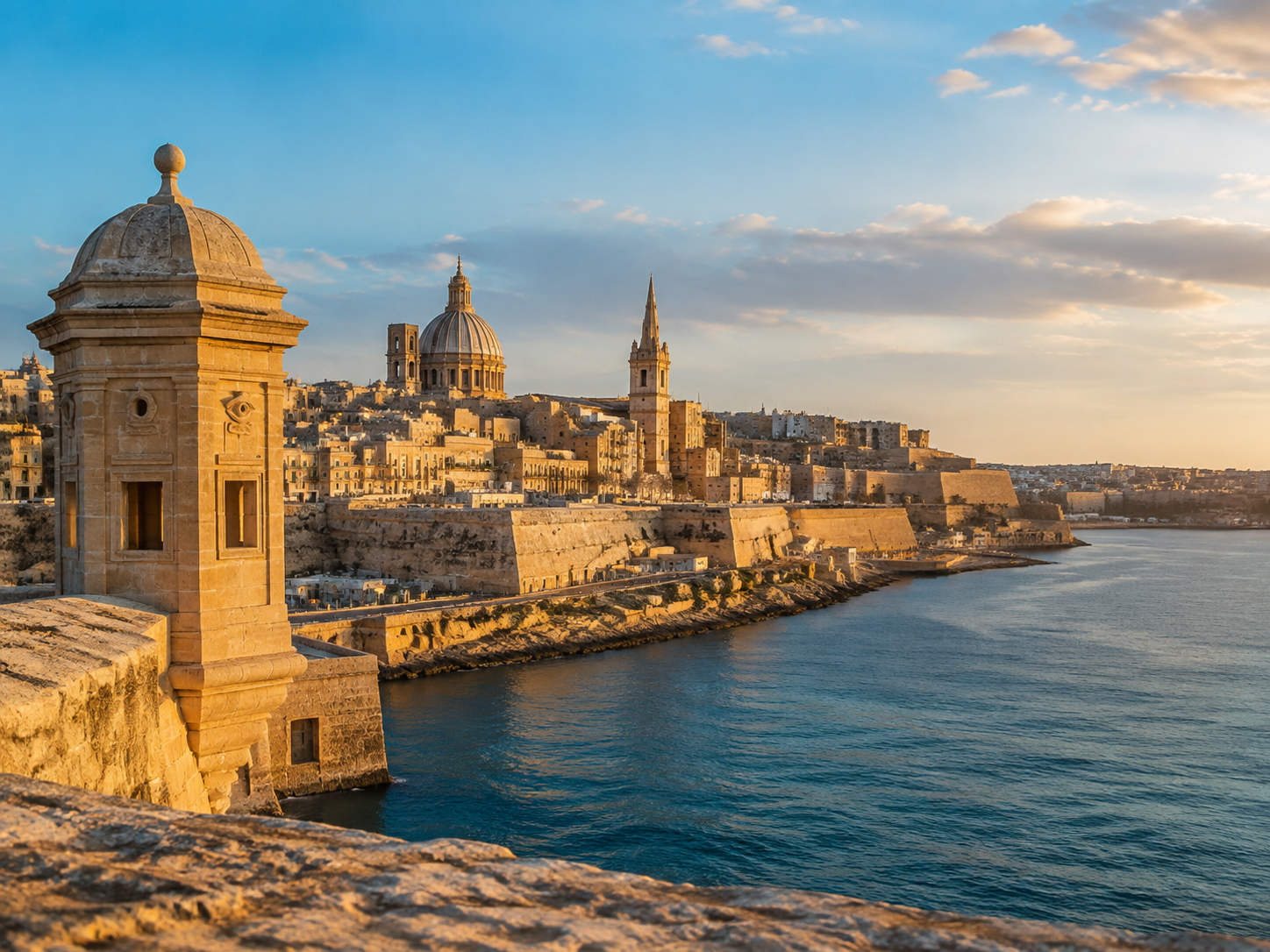
Provider licensing, programme accreditation, MQF level and immigration eligibility should be verified before deposits are paid.
Confirm the school or institution in the Malta Further and Higher Education Authority database.
Verify the exact programme, MQF level, credits, delivery mode and awarding body.
The study residence route requires an eligible full-time programme and a detailed acceptance letter.
Plan tuition, housing, insurance, visa or permit costs and arrival funds without relying on future work.
Malta's qualifications framework has eight levels. The level, credits and accreditation clarify what the award represents and whether it supports the intended study residence route.
MQF Level 5 qualifications include undergraduate certificates and diplomas; check the exact credit volume.
MQF Level 6 undergraduate degrees from licensed providers with accredited programmes.
MQF Level 7 postgraduate study aligned with your prior qualification and professional direction.
MQF Level 8 research study requiring a suitable academic background and supervision fit.
For courses lasting at least 105 days, non-EU students generally need a national long-stay visa before travel and may also need a study residence permit in Malta.
View student visa guidanceMatch your previous study, English evidence and next step to the correct qualification level.
Check the provider licence and programme accreditation in the official MFHEA database.
Prepare accurate academic, identity, language and financial evidence for the provider.
Confirm the MQF level, dates, weekly hours, tuition, refund terms and conditions in writing.
For an eligible long course, prepare the national D-visa application within the official timing window.
Complete the required appointment and study residence-permit process, keeping insurance and attendance current.
Provider tuition and Malta living costs vary. Confirm current figures and keep immigration evidence separate from your realistic personal budget.
Use the current provider offer and fee schedule, including deposits, materials and placement charges.
Compare shared and private accommodation, including deposits, utilities and the cost of commuting.
Add visa, permit, insurance, document, medical and appointment-related costs for your route.
Allow for flights, temporary accommodation, transport, food and essential household items.
Living-cost examples below are from the University of Malta and are planning estimates—not the official amount required for immigration evidence.
Eligible students may work only under current conditions. Employment is not guaranteed and should never replace the funds needed for tuition and living costs.
The acceptance letter should identify a full-time course, its MQF level, dates and at least 15 contact hours each week.
Keep valid health insurance and the identity, study, financial and accommodation evidence required for your route.
Follow the provider's attendance and academic requirements and keep your immigration status current.
Keep your visa, offer, accommodation, insurance, funds and provider contacts accessible while travelling.
Rules can change. These are the official starting points used to review this guide.
Contact our team